
Published: Updated:
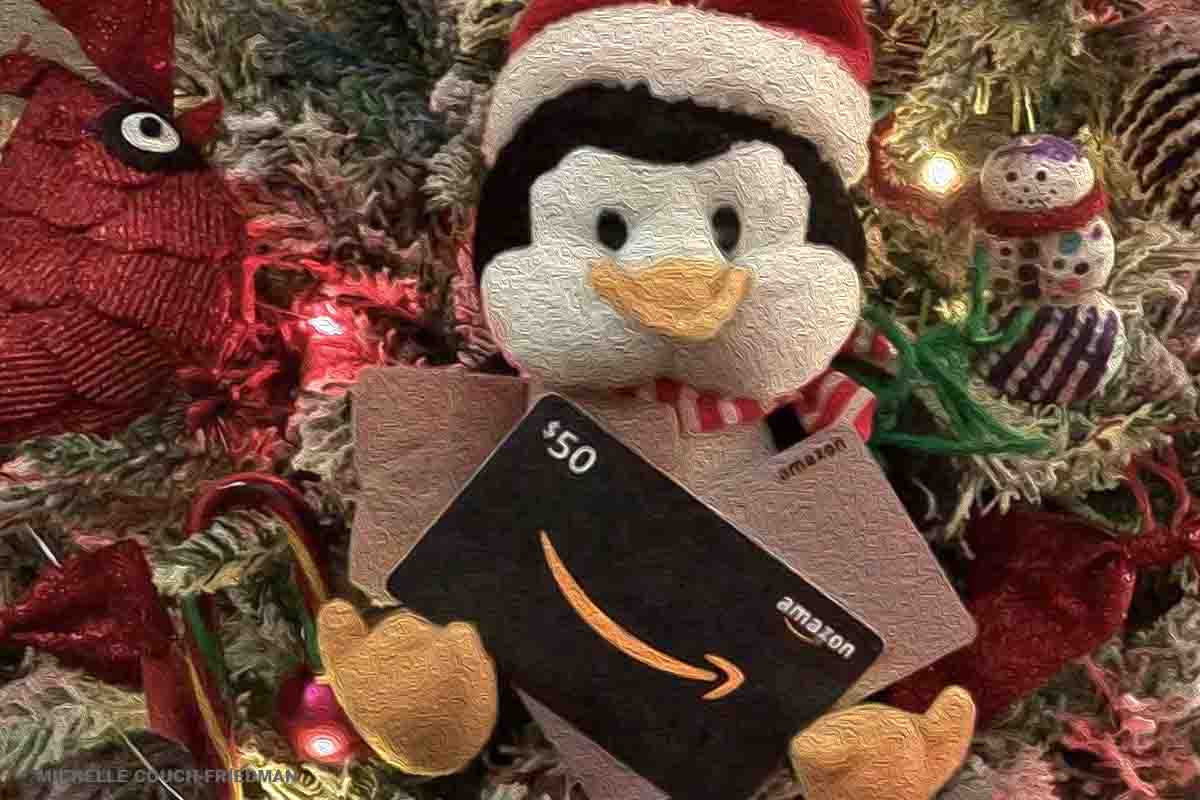
When Deborah Kahn bought two Amazon gift cards at her local mom-and-pop pharmacy, nothing seemed amiss. But then she got home and tried to load the $100 value into her online account. That’s when she discovered something was very wrong — those Amazon gift cards had no value.
None at all.
Question:
I purchased two unopened Amazon gift cards. When I tried to add them to my Amazon account, I found that each had an unreadable scratch-off code. I contacted the customer service chat, and a representative took the numbers and said he loaded the credit to my Amazon account. He never did update my balance.
Another representative later told me he could not help, even though it is clear that the original representative diverted my funds. I’m so upset!
I am on Social Security and I want to buy Christmas gifts for my family and use Amazon Prime for quick shipment. I want Amazon to reimburse me for those gift cards. Please help!!!
Answer:
Although I was sympathetic when I read your complaint, I was reasonably certain that I would be unable to retrieve your money.
Amazon: “We reserve the right to void gift cards…”
Our advocacy team has developed quite a track record with these worthless Amazon gift cards cases. And I don’t mean that in a good way. In fact, in situations like yours, we have been batting zero. It’s been impossible to pry even a courtesy response from the behemoth retailer.
A common consumer behavior pattern has been detected in these stories though. Typically, the consumer has purchased high-value gift cards from an unapproved third-party seller.
Amazon forbids this practice, and its terms make clear what can happen if the company determines that a user has obtained their gift cards through an unofficial source.
We reserve the right, without notice to you, to void Gift Cards (including as a component of your Amazon Balance) without a refund, suspend or terminate customer accounts, suspend or terminate the ability to use our services, cancel or limit orders, and bill alternative forms of payment if we suspect that a Gift Card is obtained, used, or applied to an Amazon account (or your Amazon Balance is applied to a purchase) fraudulently, unlawfully, or otherwise in violation of these terms and conditions.
Account closure is no idle threat
Account closure is no idle threat. Like other giant companies (See: Banned from PayPal and she doesn’t know why), Amazon can and does close accounts and remove questionable balances with minimal explanation to the former customer.
Related: Banned from Facebook. What can I do now?
The company typically sends one final email announcing the closure of the account and removal of all balances. Most consumers caught up in these situations report that after that last email, Amazon ignores any further correspondence.
And if Amazon closes your account, it’s pointless to try to open another one. The security systems that are in place will close that account down as well. Although, that hasn’t stopped some consumers from trying.
One thing is clear: If Amazon determines that you are violating its terms of use, you won’t be using Amazon anymore. And you might find yourself in possession of a pile of worthless Amazon gift cards.
The company is committed to preventing its gift cards from being used in fraudulent ways. It has a page dedicated to alerting its customers to common scams involving Amazon gift cards.
But this isn’t the typical missing gift card balance complaint
But your case was different from most of the others. None of the typical red flags for abuse of the system were there. First, the value of your Amazon gift cards was quite low. And you told me that you never had any past accounts closed.
However, the most compelling part of your case was in your paper trail.
You sent me a chat transcript from the original Amazon representative. This employee told you that he added the $100 balance to your account and that you should see it within one hour.
When the balance failed to update after several days, you grew impatient and went back to Amazon. A different representative gave you the startling news — someone had already spent your $100.
The impersonal response you received from a first-name-only customer service representative told you that the gift card numbers had previously been redeemed. He informed you that Amazon would not be refunding the missing balance. This representative recommended that you return the gift cards to the store where you purchased them and ask the owner to investigate.
This response would have made sense if you didn’t have the transcript from the previous representative verifying the balance of the two cards. But you did have that transcript.
The good news: Amazon has reissued your gift cards
With just days before Christmas, you were desperate to get your gifts purchased and shipped. You begged Amazon customer service for a reconsideration of your case. And at the same time, you asked my consumer advocacy team for help.
Despite our lack of success in resolving any previous Amazon gift card cases, I gave it a shot. I presented the chat transcript to our executive contact and asked if their team could take a closer look at your problem.
Surprise!
Within three hours of my request, you received a personalized email and phone call from the top of the Amazon executive customer service chain. The company took another look and agreed to return your $100.
Amazon was able to deliver your gifts before Christmas, and we scored one for the consumer team. A win-win situation!
Gift card facts: What you need to know
- Only buy gift cards from an approved seller
Most companies that issue gift cards, including Amazon, have approved sellers. If you purchase a gift card from a business or person who isn’t on that list, all bets are off if it turns out to be worthless. Never buy (or sell) a gift card on a platform such as Craigslist which is a prime playground for scammers. (See: This is how a Craigslist thief easily stole his Target gift card.) - Inspect the gift card packaging
Thieves often prowl the gift card display of retail outlets and manipulate the packaging so that they can retrieve the numbers. Those digits are worthless until an unsuspecting consumer buys and activates the gift card. Then the thief can quickly drain the value before the owner of the card has a chance to spend it themselves. Before you make a gift card purchase, make sure to carefully examine the entire package. Never purchase any gift card that has signs of tampering. - Redeem and spend your gift cards ASAP
A consumer who receives a gift card and throws it in a drawer to save for a rainy day is a retailer’s (and scammer’s) dream. Each day that you leave a gift card unredeemed and unspent is another day that the money invested in that card remains with the company. It is also another day that your gift card is at risk of being stolen by a scammer. The best way to protect your gift card “investment” is by spending the balance as soon as possible. - Treat your gift card like cash
A surprising number of consumers would never dream of sending $100 in cash through the regular mail, but will send a $100 gift card through the USPS. Remember to always treat your gift card as if it were cash — because the companies who issue them most certainly do. Always keep in mind that If you lose your gift card or it’s stolen from you, you’ll likely not be getting the value back.
The bottom line
Gift cards remain an appealing way for scammers to steal from unsuspecting consumers.
If you’ve received gift cards over the holidays, spend them quickly. Treat yourself to something nice in January. Remember, the longer you let them go unspent the higher the likelihood bad actors will target your stash.
Related: eBay gift card scams are running wild. This is how to avoid them
📬 Subscribe to:
Tales from Consumer Advocacy Land
Real stories. Real rescues. Real advice.
Join thousands of smart travelers and savvy consumers who already subscribe to Tales from Consumer Advocacy Land — the friendly weekly newsletter from Michelle Couch-Friedman, founder of Consumer Rescue. It's filled with helpful consumer guidance, insider tips, and links to all of our latest articles.

And one final word: Only con artists will ask you to pay for car rentals, utility bills, or anything else with a gift card. If someone urges you to make a payment with a gift card, you can be certain you’re chatting with a scammer. Shut them down by ending the conversation. (Michelle Couch-Friedman, Chief Fiasco Fixer and founder of Consumer Rescue)