
Published: Updated:
Don’t let extreme buyer’s remorse ruin your next cruise. Impulsively spending money you don’t have on something you don’t want is a recipe for a vacation disaster. During a recent sailing, one Norwegian Cruise Line passenger learned this painful $3,100 lesson the hard way.
Here’s her cautionary tale and what cruise passengers should know about the unpleasant realities of overspending during port stop shopping excursions.
—
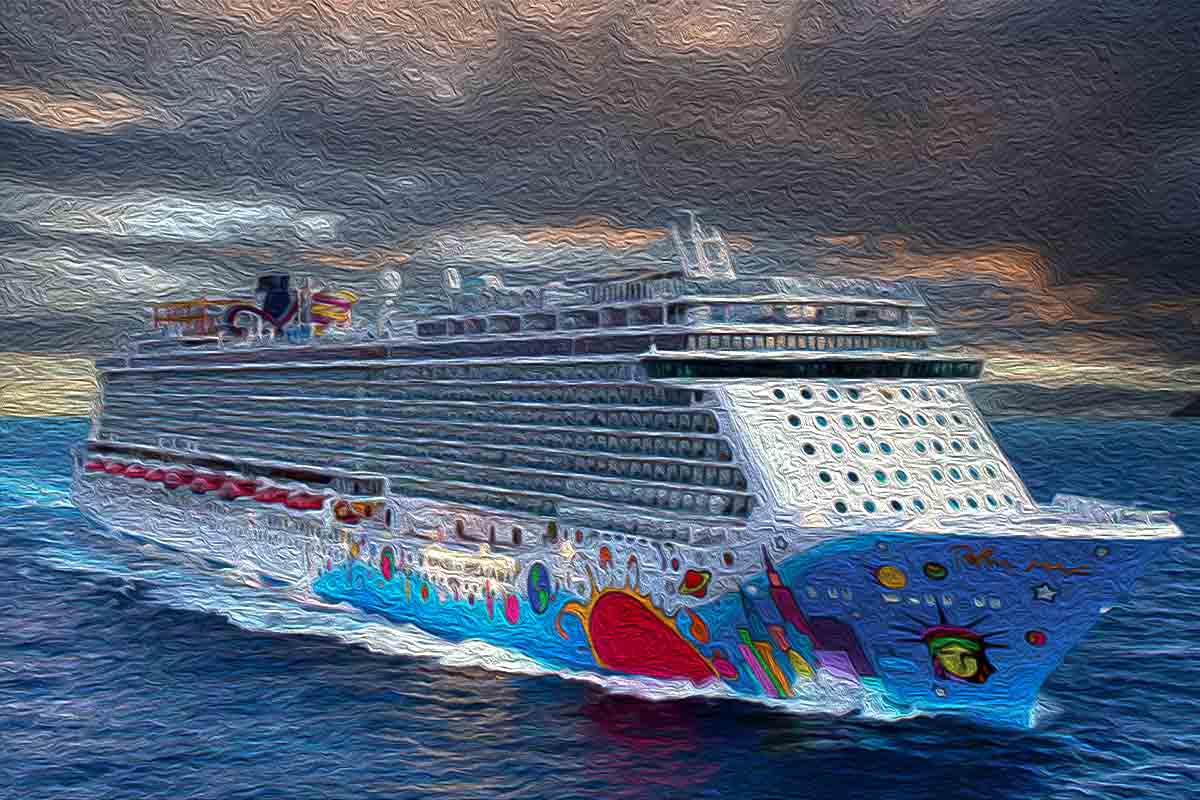
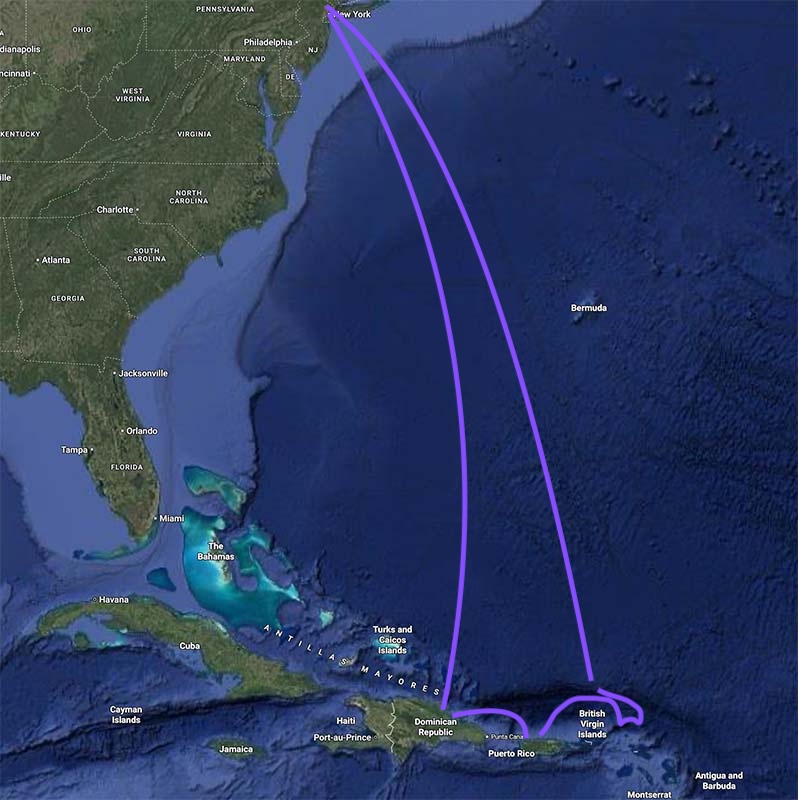
In January, Elaine Friedman and her adult son, Dan, were enjoying a Caribbean cruise aboard Norwegian Breakaway.
Unfortunately, the enjoyment factor of their vacation took a distinct nosedive after the ship’s first port stop. At some point during that visit to Puerto Plata, Elaine strolled into a shop called Earth Dominican Republic.
She was alone.
Her intention was to browse, not buy. That’s what makes her sudden purchase of a $3,100 device she knew nothing about so unusual.

Buyer’s remorse sets in immediately
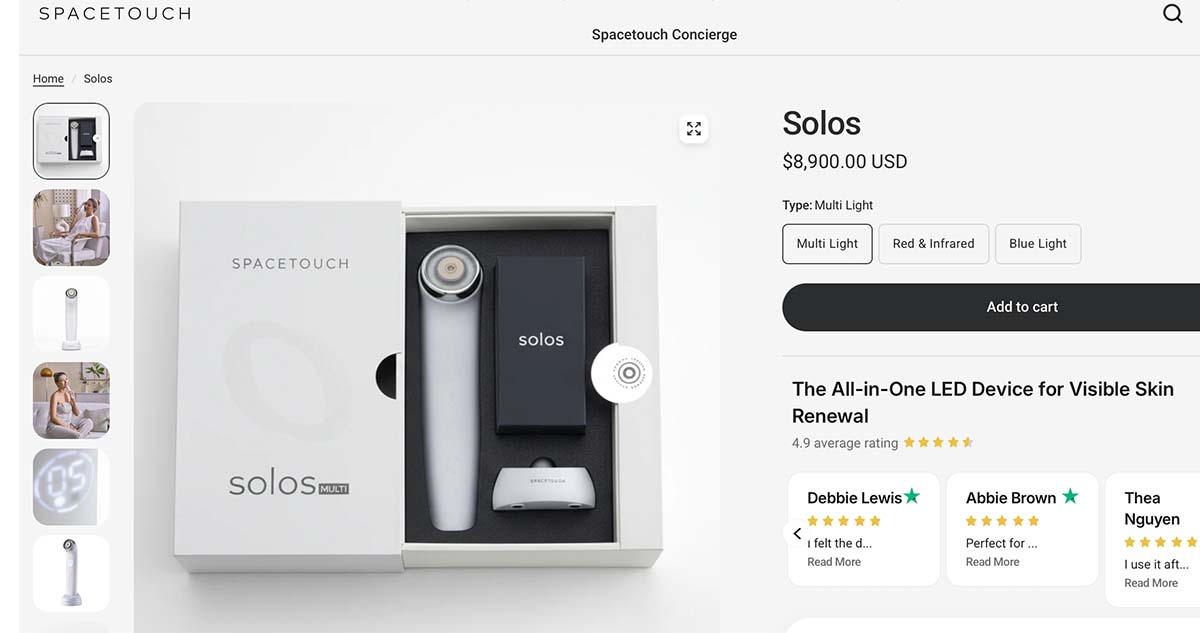
Just minutes after inexplicably agreeing to buy the pricey Solos wand, Elaine says she changed her mind. However, by that time, she had already signed the receipt marked “nonrefundable.” Despite her urgent pleas for the commission-earning salesman to void the transaction, he said he wished he could, but he couldn’t. Elaine found his refusal disingenuous since he didn’t even have a Solos wand in the shop to sell.
Unbothered by that little detail, the salesman moved on to the next step: to set up shipping. He asked Elaine to add her address to the form, and she’d receive the wand in 10 days. Then he ushered Elaine out the front door of the shop.
Wandering around the port in a daze, Elaine tried to make sense of the situation. Her confusion soon turned to anger. She made a U-turn and marched right back to Earth DR. Once inside, she demanded the salesman reverse the charge and cancel the purchase.
📬 Subscribe to:
Tales from Consumer Advocacy Land
Real stories. Real rescues. Real advice.
Join thousands of smart travelers and savvy consumers who already subscribe to Tales from Consumer Advocacy Land — the friendly weekly newsletter from Michelle Couch-Friedman, founder of Consumer Rescue. It's filled with helpful consumer guidance, insider tips, and links to all of our latest articles.

“I didn’t want the wand. I don’t know why I agreed to buy it in the first place,” Elaine told me. “(The salesman) refused to let me change my mind and told me to contact the parent company, Morena Mia.”
Elaine dejectedly walked back to the ship with her small bag of skin care samples and the $3,100 receipt. When she found Dan and told him what had happened, he became outraged. His impulse was to make a beeline for the shop and force the salesman to reverse the charge.
But he couldn’t. By then, the ship was on its way to San Juan, hundreds of miles from Puerto Plata.
Buyer’s remorse is not a reason to file a credit card dispute
The cruise had barely begun, and now it was ruined by what Dan and Elaine perceived as a port shopping scam. Dan urged his mom to call Discover and report the purchase as fraud.
So she did.
Discover took Elaine’s complaint and opened a $3,100 credit card dispute against Earth DR.
Unfortunately, she couldn’t win that chargeback because she had signed the receipt for the wand.
And she didn’t.
Buyer’s remorse, even instant buyer’s remorse — while you’re still standing in the store — isn’t something that will allow you to win a credit card dispute. The Fair Credit Billing Act lets consumers file a chargeback for two distinct reasons:
- Fraud
- Billing errors or goods/services not received as agreed.
The signed receipt sealed the fate of Elaine’s credit card dispute. Discover quickly closed the case in favor of Earth DR.
Other passengers say they’ve been scammed in cruise ports
The next day, Dan was scrolling through the internet looking for ways to solve his mom’s problem. Suddenly, an article caught his eye: Cruise passenger says he was scammed out of $9,897 in the Bahamas.
In that story, I had written about Harry, a bald Royal Caribbean passenger. He and his wife had been walking through Nassau when a young woman invited them into a beauty shop. She got them in the door with a promise of champagne and free facials. With the brutal Bahamian sun beating down on the couple, the offer sounded especially appealing.
After many drinks and hours in the shop, the couple staggered outside with bags and bags of products. Among their purchases was a “magic wand” that retails for $8,000. The store owner told Harry it would make hair grow on his shiny bald head.
“We didn’t even know how much we had spent because we were drugged,” Harry told me. “All this stuff is really worthless.”
He felt certain that he wasn’t suffering severe buyer’s remorse. Harry suspected that the salespeople had drugged him and his wife. It was the only acceptable explanation for his total loss of judgment. However, like Elaine, Harry had signed the credit card receipts — he had also taken all the devices and products with him.
Just like Elaine, he lost his credit card disputes. Today, all those products are unopened, gathering dust in Harry’s home while his credit card accrues interest on the balance.
Dan saw the similarities between Harry’s and his mom’s situations. But he believed his mom’s case had a chance of being resolved positively because she didn’t have the device. Dan quickly emailed me from the ship. He hoped I could contact Earth DR and convince the salesman to do what Elaine hadn’t been able to convince him to do: cancel the purchase.
Earth DR and Morena Mia refuse to cancel the purchase
Dan sent me the correspondence he and Elaine had been having with Earth and its parent, Morena Mia. Neither company was willing to allow Elaine to cancel the purchase even though she didn’t have the product. Morena Mia had not even shipped the device yet. All she had was the receipt.
I agreed with Dan and Elaine that the company should have allowed her to cancel this transaction.
First, I reached out to the Earth store and spoke with the salesman. He told me multiple times that the purchase was not refundable and that he could not cancel it. When I asked him why he couldn’t do as Elaine was asking, he referred me to Morena Mia.
The executive team at Morena Mia offered Elaine a $930 refund. But they stood firm that she agreed to buy the device, and they intended to hold her to the purchase. Their representative told me that Elaine was enthusiastic about the wand and had even bargained with the salesperson inside the store before agreeing to buy it.
The company also warned me that if Elaine filed another credit card dispute, they would withdraw the offer of the additional discount.
Related: I paid $16,000 for a necklace on my Caribbean cruise. Here’s what it was really worth
Filing a credit card appeal: We believe this is a port scam
But by then, Elaine had already filed an appeal of the credit card dispute, this time on the basis of “Goods not as agreed.” Dan had done more research and found many complaints online about Morena Mia and the Earth chain of beauty stores.
“I found people complaining about these two companies all over the internet. These are scammers,” Dan told me. “That salesperson told my mother that this was a medical device that could cure her arthritis. It’s just an LED light worth $10.”
Unfortunately, for Dan and Elaine, the Solos device actually retails for almost $9,000, which makes her purchase look like a bargain.
At least on paper.
You might also like: Norwegian Cruise Line has a heart. Here’s how I know
Unsuccessful credit card dispute appeals
For the rest of the cruise, Mom and son were consumed with getting the merchant to cancel the transaction before the Solos wand shipped. Instead of enjoying the tropical breezes and relaxing, they were strategizing about how to convince Discover that it should find in Elaine’s favor.
Dan wrote email after email to me, Morena Mia, and Earth DR. Despite his efforts, Elaine received a shipping confirmation that the Solos device was on its way.
A few days after the cruise was over, FedEx arrived at Elaine’s front door with the delivery. She refused it and told FedEx to return it to the sender.
And now Dan had a new angle for the credit card dispute: goods not received. He composed an ill-advised two-page letter to Discover in Elaine’s voice. In that message, Elaine said the company charged her $3,100 for a product she never received or “was lost in transit.”
This credit card chargeback had no chance of success either.
The language in the FCBA is clear: A consumer can file a credit card dispute if the merchant doesn’t send the product. If the reason you didn’t receive the product is that you blocked delivery, that doesn’t qualify.
Once again, Elaine lost the dispute and Dan filed yet another appeal, this time arguing that the Solos device is a scam product. In that appeal he shared anonymous complaints from the internet about Morena Mia and Earth DR.
Not surprisingly, credit card companies don’t find “testimonials” compelling when they come from random, anonymous people on the internet.
Things weren’t looking good for Elaine, and her case of buyer’s remorse was only growing more pronounced by the day. Not only was she out $3,100, but now the fate of her Solos device was unknown.
Related: Here are the top most disastrous mistakes cruise passengers make (my report for Fodor’s Travel)
Asking Capital One about this cruise passenger’s complaint
Unfortunately for Dan and Elaine, Morena Mia and Earth DR were operating within their rights. Elaine did agree to buy the “magic wand” that she says the salesperson told her was a medical device.
“I wanted it for my arthritis,” Elaine told me. “But it doesn’t treat that condition at all. Y** (the salesperson) tricked me.”
The problem with that complaint was that Elaine didn’t have anything in writing from Earth DR to indicate it was marketing the wand as a cure for arthritis. All she had was a receipt with her clear signature on it. She had also filled out the shipping label.
However, there was no legitimate reason that she could not have changed her mind inside the store. The salesperson was simply pulling a “gotcha” on his customer. And then days later, when the device hadn’t been shipped, and I spoke to the store, it could have been canceled then. The company just didn’t want to give up the sale.
But her purchase did not fit into either category for a credit card dispute. Still, I wanted to discuss her case with our executive contact at Capital One, the parent of Discover.
Here’s an excerpt of my message to the executive team at Capital One:
I contacted Y*** in writing (while Elaine was still on the ship) and informed him that Elaine could not afford the device and wanted him to void the contract. He said he couldn’t. Then I contacted the parent company Morena Mia and informed their team that this elderly woman didn’t want the product and since she didn’t have it in her possession they should cancel the transaction. They told me “all sales are final” (even when the consumer doesn’t leave the shop with the product.)
5 days later Morena Mia shipped that wand to Elaine’s house against her wishes and she refused the package. It was returned to the company.
This company and the store are obviously working on a “gotcha” principle — after they got her signature, they didn’t care that she no longer wanted the unseen device. Is there anything that can be done for Elaine?”
Michelle Couch-Friedman, Consumer advocate
Related: Our Carnival Cruise ended at the pier. Who will pay for this mistake?
Capital One reviews the credit card dispute one more time
The team at Capital One is always helpful and willing to dig deeper into the cases I bring to them. Elaine’s situation was no different. The Capital One executive team took yet another look at the purchase and the company’s refusal to allow Elaine to cancel.
Consumers should know that credit card disputes aren’t legal proceedings. These aren’t in-depth investigations and there is no judge at the end who bangs the gavel and gives a verdict. The truth is that if a merchant fights back against a chargeback, in most cases, the consumer will lose.
Additionally, if the facts of the case don’t neatly fit into the FCBA’s criteria, the consumer will also lose.
The executive team at Capital One took several weeks to review all the details. That team also conferred with its legal department to make sure all points had been considered. In the end, Elaine’s buyer’s remorse will not be resolved through a credit card dispute. Capital One was bound by the rules of credit card disputes. She willingly handed over her credit card and signed the receipt agreeing to pay for the device.
Related: 8 cruise passenger mistakes ranked from mild to extreme
The final verdict: Always review terms & conditions before purchase
Although I had many conversations with the Capital One team about Elaine’s case, here is the spokesperson’s official statement.
Capital One is committed to advocating for our cardholders throughout the merchant dispute process. We recognize the frustration caused by unsatisfactory shopping experiences, and we encourage customers to thoroughly review a merchant’s Terms and Conditions prior to purchase to understand specific return policies and purchase agreements.
Elaine’s case is now officially closed, and Morena Mia will ship the wand back to her now. Whether she accepts it this time remains to be seen.
Dan is unconvinced that this could be the end of the line. He’s vowed to continue to look for ways to expose Morena Mia and Earth — and get his mom’s money back.
Related: You should not buy jewelry during your cruise. This is why
Don’t let buyer’s remorse ruin your cruise. Here’s how to avoid overspending
I have a subfolder in my Cruise Fiascos file dedicated to Buyer’s Remorse. In it are the pleas for help I’ve received over the years from cruise ship passengers suffering from that condition. Most have ruined perfectly wonderful trips by impulsively purchasing something very expensive during a port stop — and immediately regretted it. By the time they’ve reached me, nearly all realize they made a big mistake.
But vision is often 20/20 in hindsight. For most cruisers in this predicament, that corrected vision won’t change the outcome, and most cases land in our unresolvable folder. However, coming home from a cruise with a severe case of buyer’s remorse and an empty wallet is entirely avoidable.
Here’s how to easily avoid overspending and ruining your cruise during a port visit.
Related: 8 cruise scams to watch out for in 2026
Don’t bring your credit cards off the ship
The easiest way to avoid overspending during a port stop is to leave your credit cards onboard the ship. If you have nothing specific that you intend to buy, then only bring a small amount of cash.
If you find something so irresistible that you need your credit card, you can always go back on the ship and get it. The time that it takes you to retrieve your credit card will allow your brain to think things through more clearly away from the salespitch. Chances are you won’t be going back.
Related: Cruise passengers say they lost $30,000 to a shopping scam in Nassau
Set a spending limit for each port stop
Set a spending budget before you board your cruise ship. Most of the distraught cruise passengers who reach out to me after-the-fact have one thing in common: no plan to buy anything and no spending limit in mind either. Often these cruisers are just strolling through unfamiliar territory unaware of the plethora of sales tactics that will soon be coming their way.
Travelers have contacted me after allowing merchants to charge right up to the limits of their cards. Even harder to explain are the cruise passengers who open third-party credit lines on the spot to buy the junk they never planned to buy.
There’s psychology behind setting a limit on your spending before you leave the ship. It should act as an invisible barrier to impulsive purchases. Your brain will send a little warning signal if you start considering spending above that number. Sometimes that’s all that is needed to avert an impulse buy.
Related: These cruise passengers were denied boarding in bulk. Here’s why
Research the items you intend to buy/ don’t buy anything you haven’t researched
Let’s say you do have a budget that allows you to purchase a specific high ticket item. Long before you step off your cruise ship, you should have done your research about whatever you intend to buy. I’ve seen countless travelers, with no preplanning purchase expensive jewelry during their cruise solely because they heard gems are cheaper in the Caribbean. This is generally not true, especially if you’re doing no research and are unfamiliar with the haggling that is necessary to get those great deals.
Set a spending limit on your credit card/set up alerts for purchases
If you don’t trust yourself to stick to your budget, you can set daily spending limits on your credit card. That will provide an additional barrier to impulsive purchases and aggressive salespeople. Additionally, it is always a good idea to set up purchase alerts so you’ll receive notification of exactly how much you’ve been charged for an item.
This feature on your credit card is especially useful when you’re in a foreign country where you may be unfamiliar with the exchange rate — or if you’re dealing with an outright scam operation that intends to charge you significantly more than you agreed.
Related: Here’s how to avoid these common tourist scams in 2026
Avoid going into shops if you aren’t able to resist a hard sell
Of course, if you don’t go into any of these shops, you won’t be tempted to buy anything. If you know you’re a pushover and can’t resist a hard sell, you probably should avoid walking into stores — especially the ones that are super close to where the ship is docked. The salespeople in those shops are ready and waiting for tourists just like you.
One final observation I’ll share from my reviews of dozens of these types of complaints. Solo travelers, especially female travelers of a certain age, are disproportionately targeted in this port shopping scheme. If you’re cruising with someone who fits that description, and they intend to stroll around the port without you, as happened in this situation, give them this warning.
Related: Cruise port scams and schemes to avoid (my report for The Points Guy)
The bottom line
Buying high ticket items you aren’t familiar with from a merchant you don’t know during any vacation is ill-advised. But for cruise passengers who will quickly be sailing thousands of miles over the horizon from the store, it is a particularly bad idea.
Once you hand over your credit card and sign that receipt, in most cases, there’s no going back.
Souvenir literally means “keepsake or fond memento” in French. Your vacation purchases should bring you joy, not misery. So before you buy something you’ll regret for months and maybe years to come:
- Pause and take a breath
- Ask yourself if you really want the thing.
- Even more importantly, do you know the value? Can you get it home for a similar price? Hint: The answer is likely yes. In fact, for Friedman, the Solos wand shipped from the United States — the Earth DR didn’t even have the device on hand.
- Can you easily afford it?
If the answer to any of those things is no or not really, take a walk — right out of the store. Don’t worry about insulting the salesperson because, believe me, they aren’t worried about you. Don’t let an impulsive buy ruin your cruise. Just say no. (Michelle Couch-Friedman, Chief Fiasco Fixer and founder of Consumer Rescue)